










Students have some issues with the Securly digital blocking system at DPHS.
The way it functions, according to Mr. Pieschek, the director of technology for the district, is that there is a filtering process which categorizes websites unfit for school and blocks them.
What qualifies as unfit? While the district does have strict policies on inappropriate internet activities, sometimes websites get hit in the crossfire due to the absolute nature of a filtering system. While the district has been using Securly for 3 years now, students still voice their dissatisfaction with the system.
In particular, the default Creative Commons license filter placed on images makes it more difficult to find images for projects in classes.
Charles Eckert, a sophomore, said that this system interferes with his research in art class.
“It’s kind of frustrating because when you’re trying to look for photos in a project or to look up inspiration for something, especially for art classes, I cant find photos for reference,” Eckert said. “We can’t have our phones, so it’s very limiting on what we do. I don’t mind the blocked games, it’s the blocking photos that’s too far for me.”
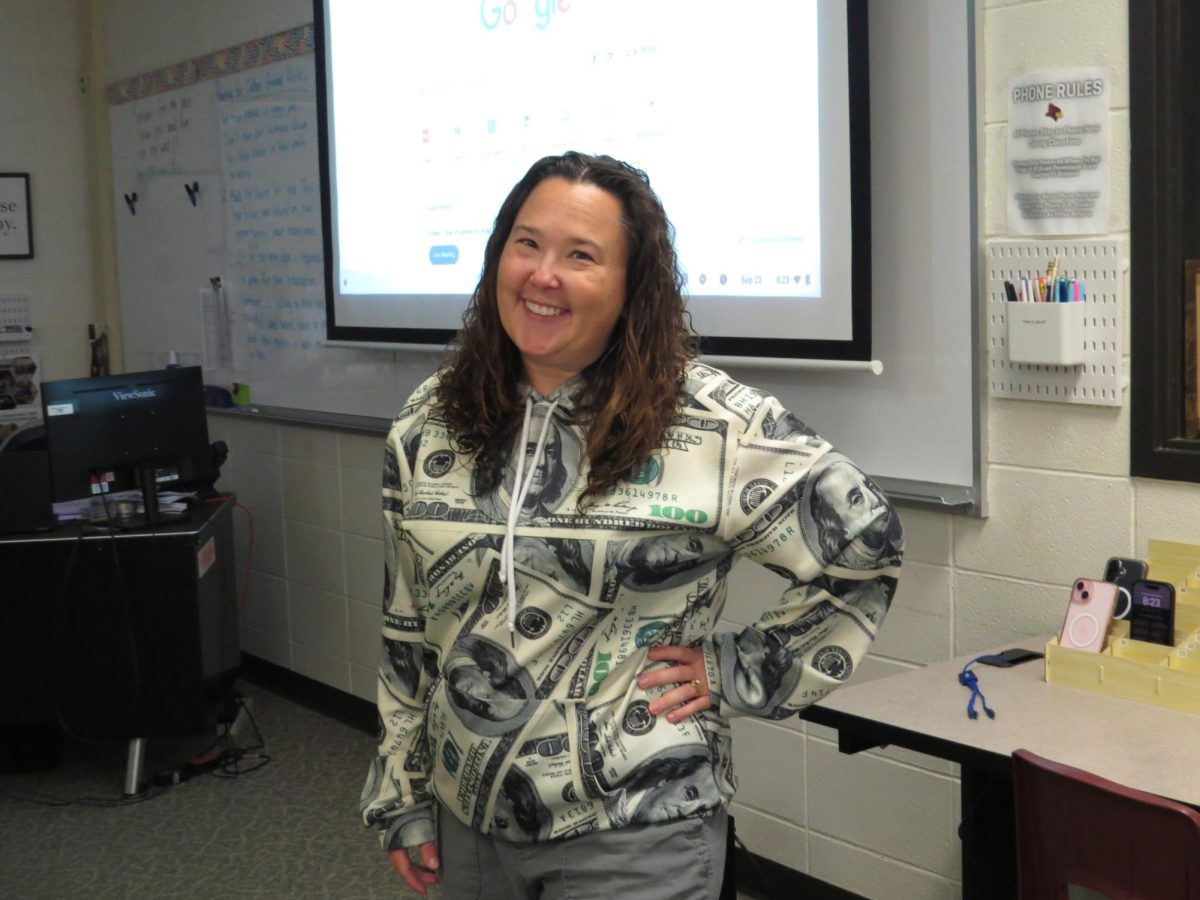
De Pere’s system influences how teachers teach as well. Mrs. Bielinski, AP research teacher, mentions how her students have to navigate the web outside of school Chromebooks in order to find credible sources.
“It affects my students every single day in terms of finding or searching for sources or topics,” she said. “Depending upon what type of topic it is, they’re limited to doing a general search for general information when they start to dig into sourcing credible sources.”
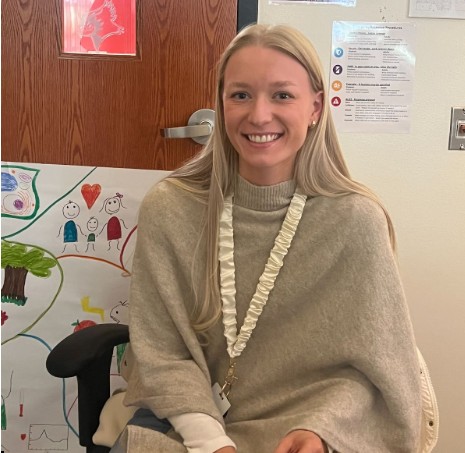
Pieschek realizes the difficulties in making sure students are protected thoroughly enough online, as well as the student’s side of the story.
“If all websites had to have a classification or rating on them, this becomes a lot easier,” Pieschek said. “But they don’t. We have to, by law, filter all devices. Students may be upset that they can’t get to every site that they want to, and that they may feel they have a justification to get to a site.”
Pieschek added that there is also a concern about students accessing content that is relevant to school. He mentioned that students can request to unblock a site by asking their teacher to email the IT department, and they will unblock that website if they see it is fit for school.
“We’re not here to determine whether or not that site is for educational purposes,” he said. “We’re trying to make sure that (students) can get to the content that they need to. We’re trying to make sure we’re keeping the bad stuff out. There’s a lot of different bad stuff, and it’s evolving all the time. That is a huge part of our job. If it’s not classified, then we have to block it.”



Nobody • Dec 8, 2025 at 10:14 am
We can’t access D&D beyond, even if it is for a club.