
















As technology gets more advanced we have to wonder, how safe am I on the Internet?
According to Pew Research, 73 percent of U.S. adults have experienced some kind of online attack or scam. These are not limited among age groups, it can happen to anyone.
So, how safe are you online?
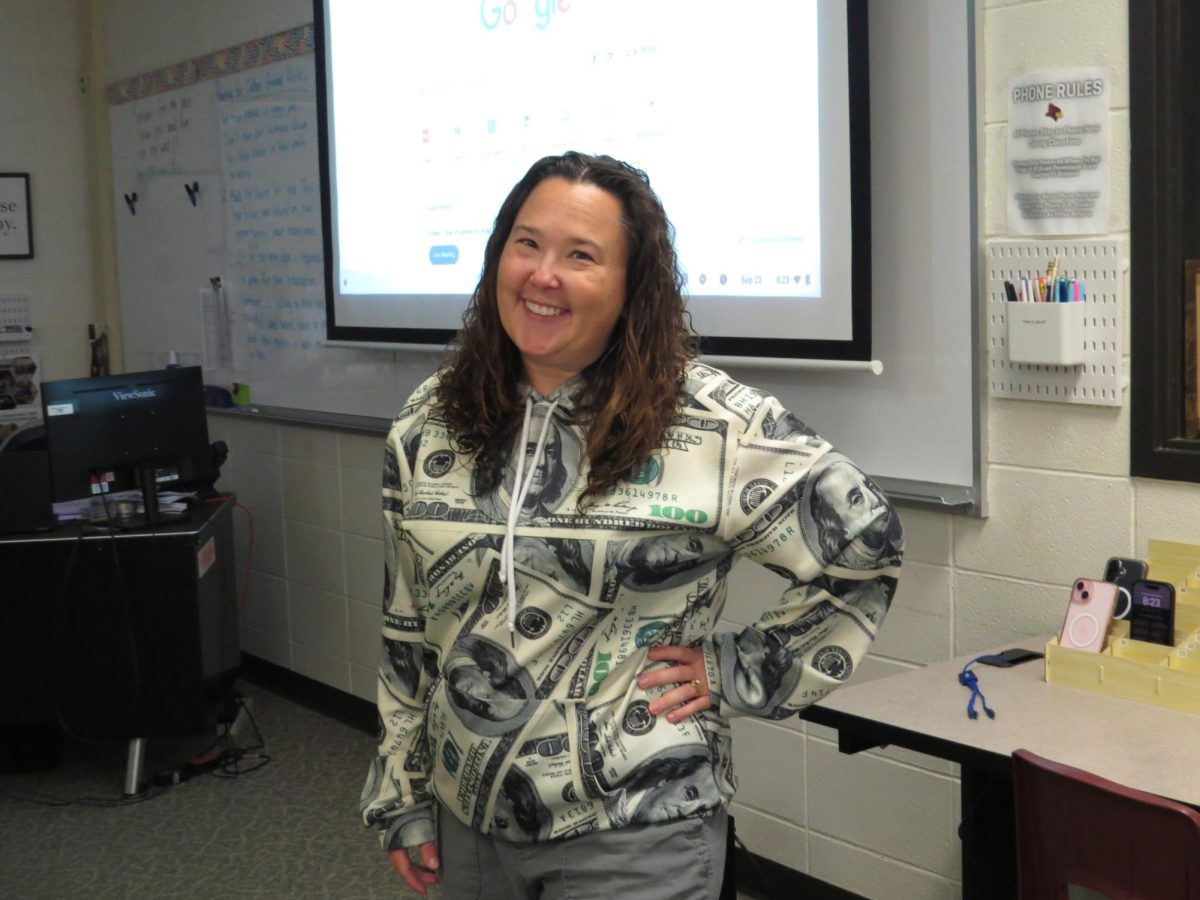
History teacher Mrs. Weber states that she stays away from suspicious material and emails.
“I feel pretty comfortable,” she said. “I’m smart, I don’t click on suspicious links, or I try to be smart. I don’t respond to emails that seem suspicious even if it’s from someone I know. If it’s not something I’d usually send, I don’t engage with it.”
This is an easy way to prevent online scams.
Another way to prevent scams and attacks online is to protect personal information. A way to do this is to have a private account on social media. Freshman Reid Brennan and sophomore Natalie Bohn said that people should only share their first name online, anything more than that could be a safety hazard.
Brennan explained that, “First name could be the only thing that you share. If you share something like the outside of your house people could try to find it, and if you show the Redbird logo, someone could find it somehow. There are ways that people can find where you are.”
Bohn explained that she has a private account on every platform that restricts followers so only certain people can see her accounts.
Social media has been rising, according to a blog run by Adam Connell, from April 2010 to April 2024 social media users have increased by 164 percent. This increase comes with safety concerns. With social media on the rise in all age groups, it is concerning with minors as they may have not been taught how to be safe online yet.
Some ways countries are helping keep minors safe online is by banning social media or restricting the apps. In the United States there was a brief ban of Tiktok because of security concerns. In Australia, the country banned social media for everyone under 16 which started December 10, 2025.
There are a few reasons for the ban, such as harmful content, cyber bullying and grooming, and the addictive design. A few other countries with similar bans are Denmark, with no children under 15; France, with a curfew for 15-18 year olds; Spain, with parent permission needed for kids under 16; and many more.